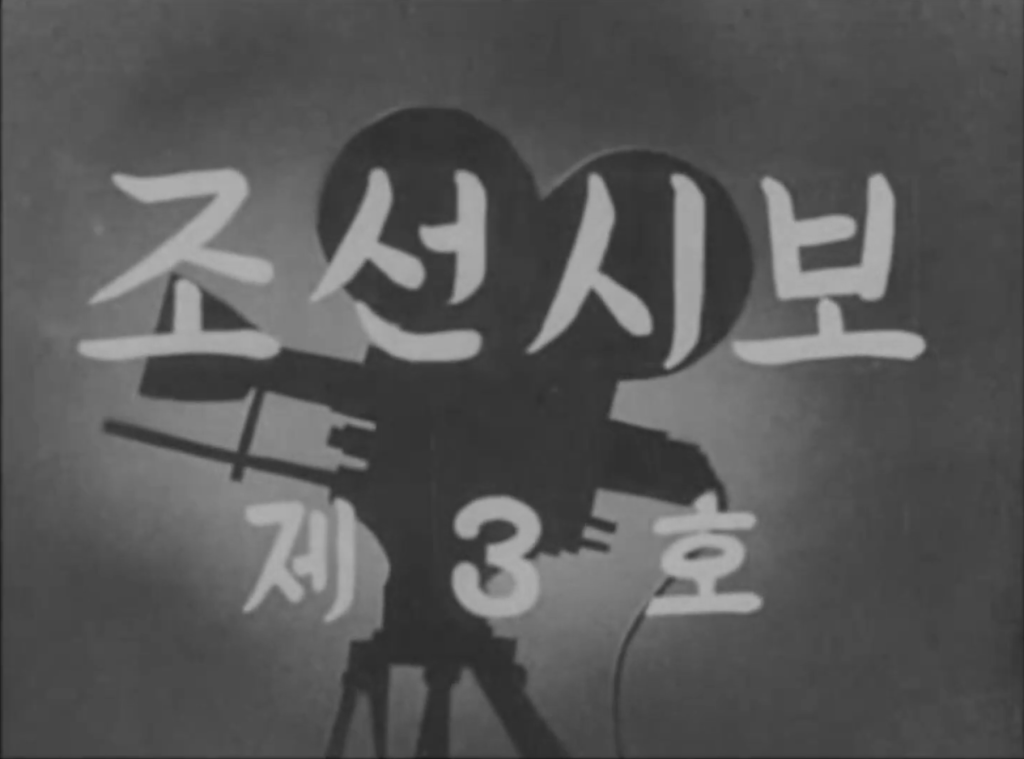
Korean Newsreel (Korean: 『조선시보』; Hanja: 朝鮮新報) is a North Korean newsreel series that first premiered in March 1948. It was produced by the National Film Studio of North Korea (국립영화촬영소) until 1957, when the National Film Studio became the Korean Art Film Studio (조선예술영화촬영소) and a separate studio for producing documentaries and newsreels, the Korean Documentary Film Studio (조선기록영화촬영소), was established. Production of the series continued even during the 1950–1953 Korean War, with film reporters moving alongside North Korean troops during the fighting. Another newsreel was produced between 1950 and 1953 titled For The Reunification of the Fatherland (조국통일을 위하여). It is not known with certainty how many episodes of the series were created, with different sources citing 40, 70, and 80 episodes.
As a person who has loved history since childhood, I can say that it is very easy for me to feel nostalgic. It is a feeling I really like to have because comparing past and present, in my honest opinion, is the wisest way to make good choices for the future. Since very early in life, thoughts about the past have existed in my mind and I have always been attracted by older things. All sorts of old things: films, objects, photos, places, elderly people.
I also have the kind of escapism feeling of thinking about the past as a better place, when things were so much simpler and easier. I know this thought is definitely a trap and I do my very best for not romanticizing the past by reminding of all problems people faced. A good example that the past was not as sweet as we imagine is World War 1 and World War 2. If the world was so wonderful, those things would not have happened, among many other tragedies throughout history. However, I think it is just human that we imagine a place or an era when things are great so we can mentally escape our reality.
Something concrete that makes me so nostalgic is the classic films I love so much, especially the silent films. Sure, despite all problems we face nowadays, we have much more comfort and better healthcare than the previous generations, but seeing the slower pace of life, the extra time people had to do things is so captivating. I reach a point of physically relaxing while seeing those old films merely because the films themselves were slower. This is why I love to watch films in the evening, after a hard day at work because it properly prepares my body to relax before going to bed.
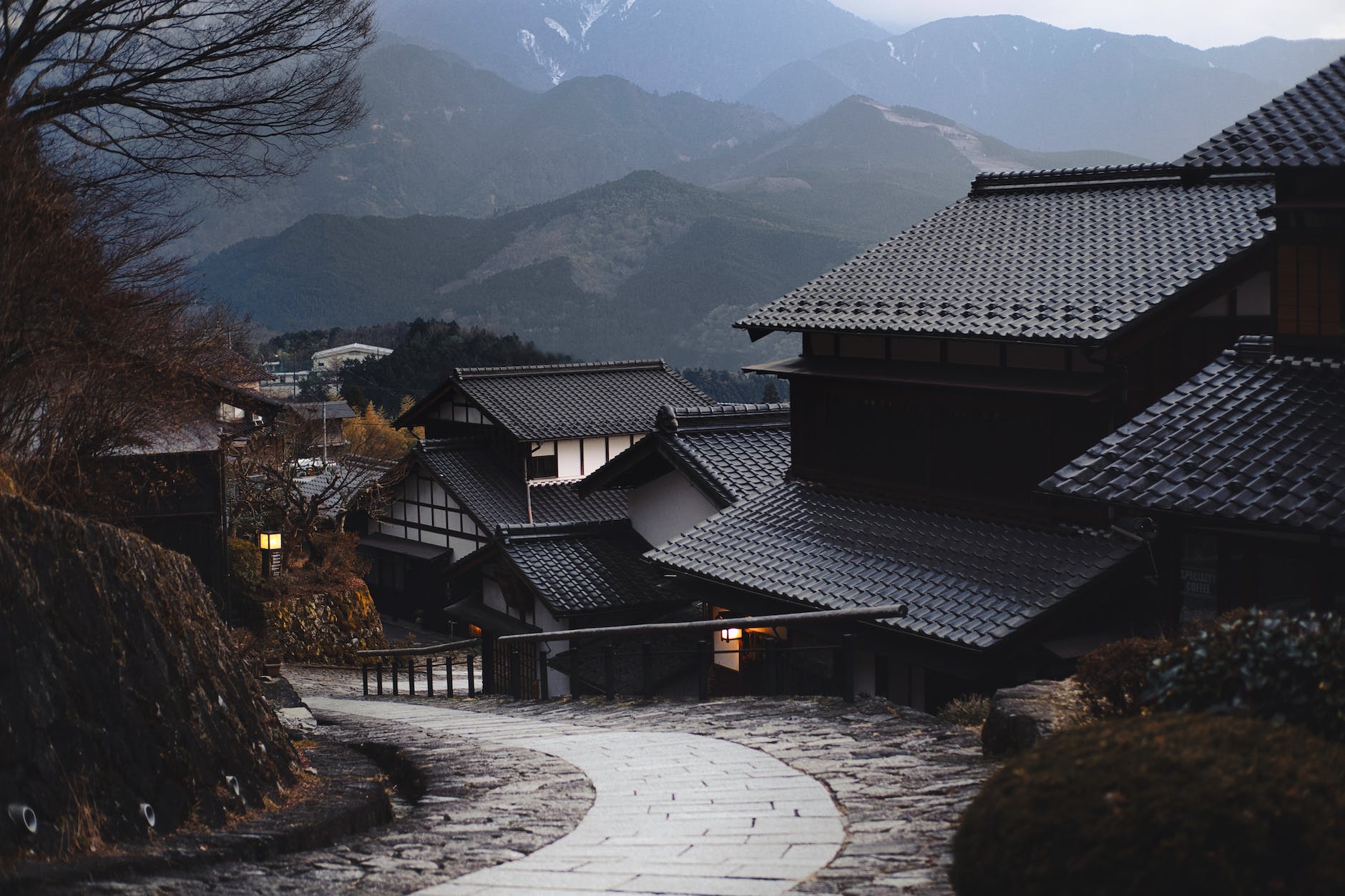
I also get nostalgic when I see really old constructions. It does not matter if it is a monument, a building, a house, etc. It is just enough that it was constructed a very long time ago. I find myself imagining how it was constructed, who lived in those places, who worked there and it is another very relaxing experience to me. It is funny that I have those nostalgic thoughts since I was a little kid. It is as if I have always longed for a past that I do not know specifically what it is, but I am certain it existed. A time when I was in touch with nature, in a slower life, when I freely went to places day and night. Of course it is just an idealization of things I would like to do, but the thought sometimes is so strong that it is as if I had already done those things.
I do not reject the present time by any means. I only do not like the increased urban violence and worse unemployment rates, but I know that people had terrible problems in the past and basic comforts that we take for granted were non existing. Another point is that nowadays we are much more well-informed than in the past. I do think that the current time gives people lots of opportunities and, if things seem oppressive, it is probably because some people and groups life a harsh reality. But if they had a chance to live in this world in a better reality, their lives would be much better.
There is a sentence that says: “The past is a place of reference, not a place of residence”. We cannot dwell in the past because it makes people depressed. It is good as a reference to make our choices for the future and learn with our mistakes and it is all. In all eras we have good things and chances of being happy, no matter how difficult things can be and we should use our current resources to make something beautiful with them. It is always possible to do so. For example, we live in an unprecedented revolution in communications brought by the internet, among many other cool stuff. We should make the most of the positive factors, adjust to our lives and life to the full.
Lilly van Java (Lily of Java), also known as Melatie van Java (Jasmine of Java), is a 1928 film from the Dutch East Indies directed by Nelson Wong. Initially meant to be produced by South Sea Film and shot by an American director, the film – which follows a woman told to marry a man she does not love – was ultimately completed by Wong’s Halimoen Film. Details on its cast and performance are contradictory, although the film is recognised as the first of a long series of ethnic Chinese-produced films in the country. It is likely a lost film.
I have always personally believed that, despite occasional typecasting and overacting in some films, Italian actor Rudolph Valentino’s acting skills did shine bright in his more romantically-oriented films. Unfortunately his acting ended up overshadowed by his heartthrob reputation and the tragic consequences of his death, with only 31 years old in 1926.
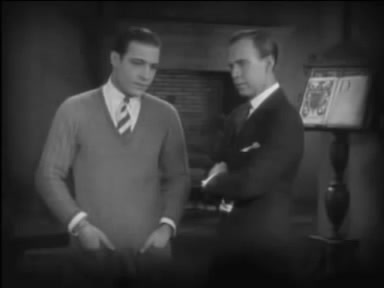
Valentino plays the impoverished Italian nobleman, Count Rodrigo Torriani, a philanderer who was often in the company of beautiful women. In the beginning of the film he befriended an American tourist (Jack Dorning) and, as he had shown a deep understanding of antiquities during their talks, Dorning invited Torriani to work with him in New York, as an antiques export. The proposal was gladly accepted.
A short time after arriving in New York, Torriani realized that he would not really get rid of his weakness for beautiful women. He fell genuinely and purely in love with Dorning’s secretary Mary Drake, but she did not return his interest, which was an irony because it was the first time Torriani has ever loved a woman.
On the other hand, he has also met Elise, a gold digger, who was looking for a rich husband. Elise was immediately interested in Torriani, thinking he was rich, but Torriani had no interest in her whatsoeverf. When Torriani told her that all the money actually belonged to Dorning, she directed her attention to him even though she had never forgotten Torriani. Having realized that Dorning was interested in Elise, Torriani encouraged him to have a relationship with her, which quickly happened.
Dorning fell madly in love for Elise and they soon got married. However, after around one year of marriage -although Dorning was still in love and happy – it became clear that Elise was being unfaithful to her husband. To make things worse, Elise started to make advancements to Torriani again, to the point of forcing herself to him in his office. Torriani, in consideration for his friend, resisted her seduction as much as he could but, when she invited him to go to a hotel with her, he ended up accepting her proposal. But, as soon as they arrived at the hotel, Torriani felt guilty of betraying his friend and left the hotel immediately before anything more intimate happened between them both.
It turned out to be a wise decision because the hotel caught fire that same night, killing both Elise and one of her other lovers (who she called to stay with her in the hotel after Torriani left). The bodies of both people were so severely burned that it was not possible to identify them. After having learned of his wife’s disappearance, Dorning was heartbroken. For a while he could not know where his wife was or if she would ever return. He fell into depression and Torriani took care of him, unable to return what happened at that night at the hotel. He did not dare to make his friend suffer by knowing which kind of woman Elise was.
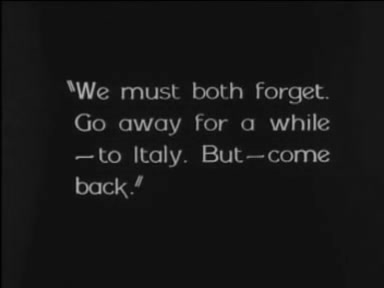
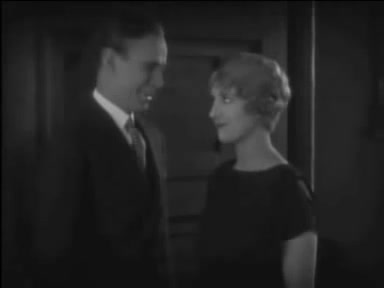
After a while, while browsing through Elise’s papers, Dorning found letters of some of her lovers to her and he also found out that she was in the habit of frequenting that hotel that caught fire and she was probably one of people who passed away. He also found out a letter of Torriani to Elise, refusing her love. Dorning was proud of his friends loyalty, but it was the moment when Torriani confessed everything that happened that night between him and Elise and that it was him who had taken Elise to the hotel the night she died and that he felt too guilty to remain in the United States and that he would return to Italy. Dorning answered saying it was better if they both forgot what happened and that Torriani could return to Italy to rest, but he asked his friend to return after a while and keep on working with him.
Torriani indeed returned and it seemed that everything would run smoothly, but it was not what happened. Mary Drake seemed to be finally interested in Torriani, but he was still feeling too guilty about Elise’s death and could not immediately return her interest due to his grief. After a while, he heard that both Mary Drake and Dorning were dating and that Dorning was very happy with her. He talked to Dorning and he confirmed to Torriani to be deeply in love with Mary Drake.
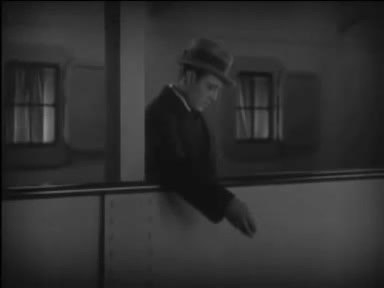
After having heard of it, Torriani decided to renounce to the only woman he has ever truly loved. He lied to her claiming he was still the same womanizer of always and, feeling guilty and determined not to be on the way of his friend’s happiness for a second time, Torriani left the United States and returned to Italy, this time definitively.
One year later Valentino passed tragically away and his funeral has caused an unprecedented commotion. His successful career lasted only around five years (from 1921 to 1926). His fate in talkies is only a matter of speculation, as all his films were made during the silent era. Nevertheless, I do believe that if he got to totally avoid typecasting in ethnically-stereotyped films and devoted himself to romantic dramas, it would have solidified his career and make him being more seriously taken by some critics. But unfortunately there was no time for it.
This film was made a short time after huge Rudolph Valentino’s hit, The Four Horsemen of the Apocalypse (USA, 1921) and it was the second and last collaboration of Valentino and Rex Ingram, the latter would subsequently direct Ramon Novarro’s films. The Conquering Power (USA, 1921) was based on the novel Eugénie Grandet by Honoré de Balzac. The plot is about the conquering power of love, and all barriers it is capable to overcome, plus the maturity of a man from boyhood to adulthood due to adversities of life. It is also portrayed how the effects of greed can be harmful to a person.
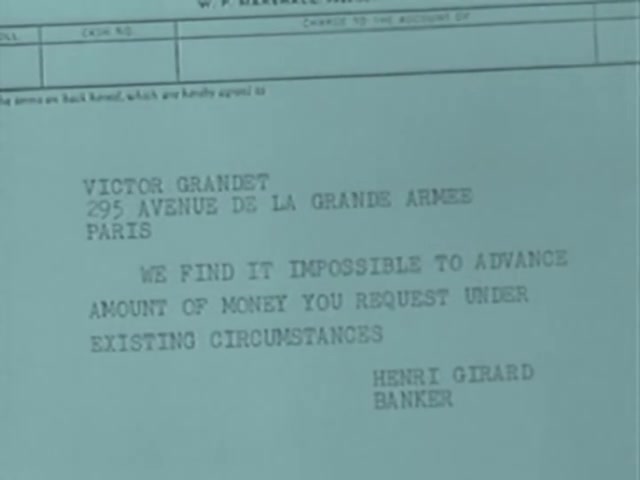
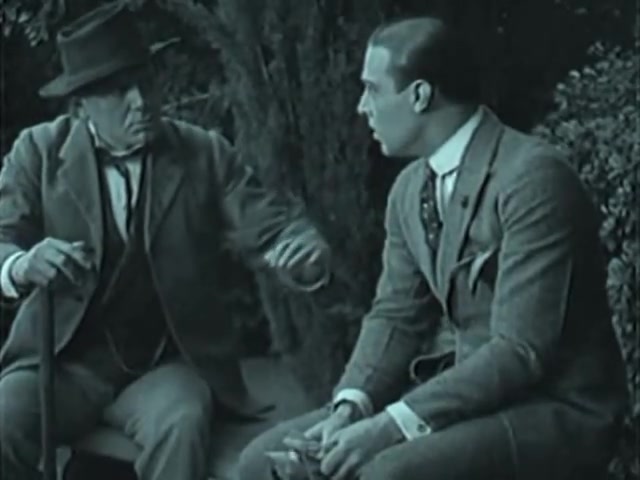
Valentino plays the role of Charles Grandet, a French playboy who lived a careless life and all worldly pleasures to the full, as it can be seen by his lavish birthday party in the beginning of the film, which was interrupted by the earlier return of Victor Grandet, his father, from a trip. Upon his return, Victor had a serious conversation with Charles about his brother, Père Grandet, who he had not seen for around twenty five years and recommended Charles to be on friendly terms with him. Victor seemed to be rather distressed and it is hinted that he had serious financial problems.
Victor had committed suicide a short time afterwards and after his death, Charles ended up living with his uncle. Père Grandet, despite of being rich himself, he was a miserly, who treated both the poorer people from his province and his own family with an iron fist. At the house of his uncle Charles met and fell in love with his cousin, Eugenie Grandet. Eugenie was a virtuous, beautiful and sweet girl, quite in demand by the suitors of her village.
Charles brought to his uncle’s house a letter by Victor, who claimed that he had lost his fortune due to stock market speculation and he hoped that Père would be a father for his son. The tone if this letter suggested that Victor would die soon, which actually happened and this tragic event left Charles penniless.
While love flourished between both cousins, Père received a letter stating that Victor’s debts had been reduced and it meant that Charles has not lost all his money, after all. To avoid that Charles recovered his money and that his love for Eugenie took root, Père decided to send Charles away for the Martinique. However, before Charles’ departure, Père made him sign a document renouncing to all his inheritance, something that Charles found strange as his father had left no estate. Despite that suspicious signal, Charles did not realize that Père could have been behind any scam to take advantage of him.
While Charles was away he wrote to Eugenie regularly, telling her about his life in Martinique, that he was prospering there, etc. Nevertheless, his letters never came to her because Père was hiding everything and it made Eugenie think that Charles had forgotten about her. On the other hand, Père had written Charles claiming that he had arranged a marriage for Eugenie and therefore it would be advisable he did not keep any further correspondence with her. The claim was a lie and there was no marriage, but Charles could not possibly know. But both Charles and Eugenie never forgot each other.
One day Père asked Eugenie to see her gold because he wanted to invest it, but she could not give it to him because Eugenie had lent it to Charles previously, so he could have some money to restart his life. When Père realized Eugenie had given her gold to Charles, he locked her in her bedroom and it was when the worst ordeal of Eugenie began. However, the news of Eugenie’s imprisonment in her room became the topic of the village and the villagers have also noticed how maddened Père was.
Some scenes later it is revealed to the audience that Eugenie was not actually Père’s daughter and that Eugenie actually had the right of demanding a division of his fortune if only she knew the truth.
Speaking of the truth, Eugenie eventually found out Charles’ letters to her hidden in her own house, none of them had ever been given to her. She also found the letter that stated that Victor’s debts were reduced and that Charles was not penniless, after all. The same letter that had never been disclosed to Charles, who left to Martinica thinking his father had not left any estate.
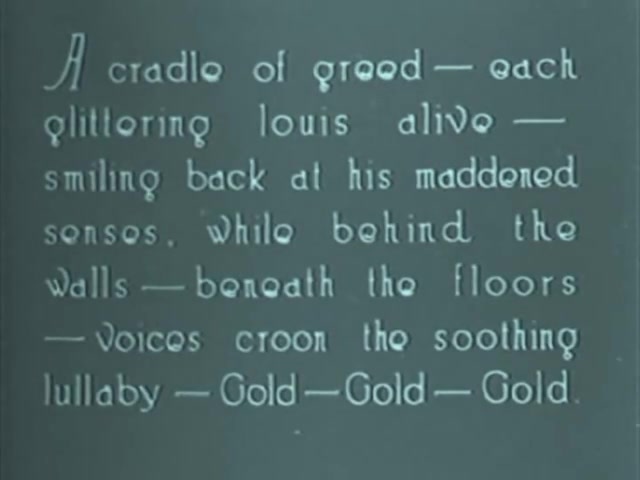
Père found out that Eugenie found the letters. She runs away and he gets locked in his cellar, totally maddened by his own greed and evilness. This is one of the most famous scenes of the film, beautifully played and acted by actor Ralph Lewis (who played the role of Père in a convincing and skillful way) and the favorite scene of many people. Right afterwards Père passed away, leaving Eugenie a very rich woman and it was suggested to her to look for a husband. She announces her engagement, but shortly after is reunited with Charles.
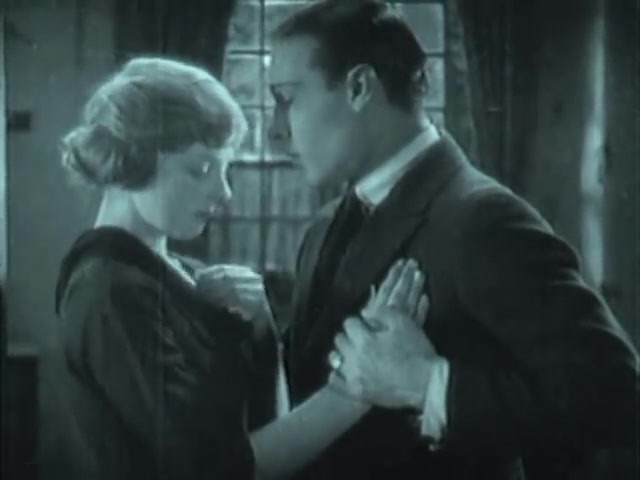
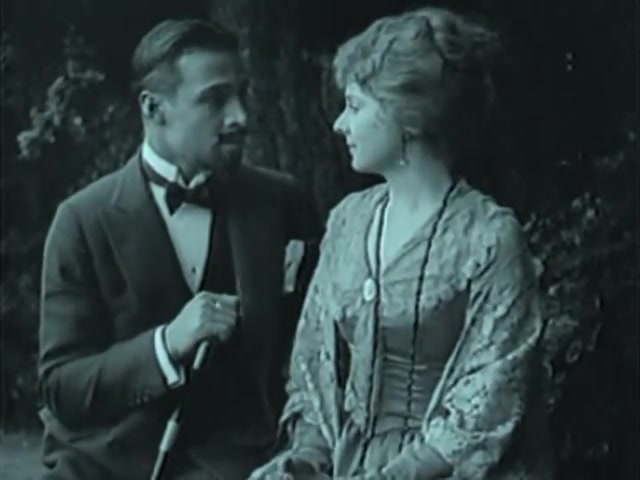
My personal favorite part of the film is the end, when after some years Charles returned from France, now a very rich man and they both met each other again in the same place where they used to gather together in the past, this time older and with different appearances. However, the love and joy in seeing each other was still the same. Their facial expressions of happiness were something very touching to see, as they show that love was the real conquering power, even beyond the action of gold and time. Charles did not come to the village before thinking that Eugenie was married, but she was actually still single and it was when they were finally reunited.
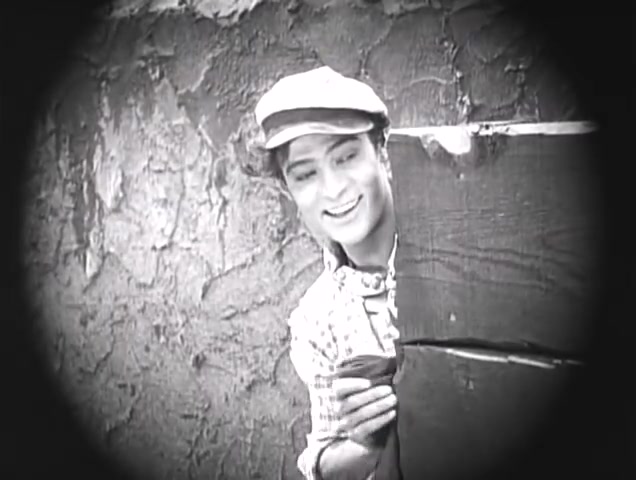
This film was based on the 1909 Spanish novel Sangre y arena (Blood and Sand) by Vicente Blasco Ibáñez and the play version of the book by Thomas Cushing. It was produced by Paramount Pictures. Rudolph Valentino was already a heartthrob and very popular among the audiences after the hits of The Sheik and The Four Horsemen of the Apocalypse, in 1921. The latter film was also an adaptation of Vicente Blasco Ibáñez’s book.
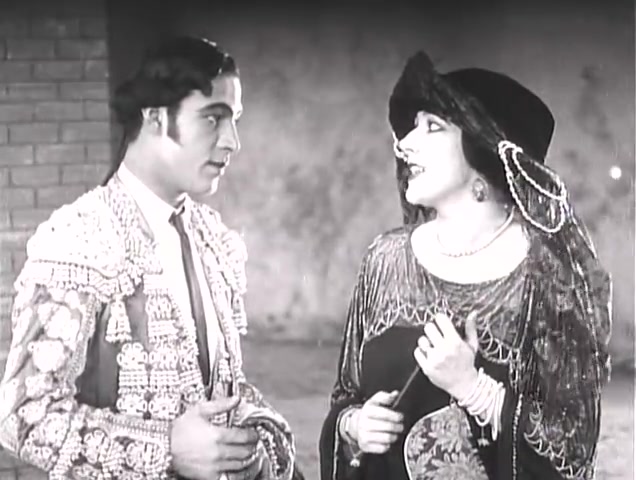
Rudolph Valentino played the role of Juan Gallardo, a bullfighter born in a poor family in a village located in Seville, Spain. He was a relaxed and charismatic lad who enjoyed a life of adventure. His mother was a widow who worried about the safety of Juan due to the fact he played at bullfighting. Juan Gallardo was considered a good-for-nothing son due to his failure to work at his father’s trade and his family strongly disapproved of his lifestyle.
After two years, Juan Gallardo became the idol of the entire Spain, being known even in Madrid. He had many fans who gathered themselves only to see him. It was also clear that he was already a quite wealthy man at this point.
Then his luck changed and, as it was said in one of the intertitles: “The news of the “Little Shoemaker’s” prowess spread through Seville, attracting the wealthy patrons of the national sport”. His bravery in the arena became a sensation among the local population, which catapulted him into fame. Even Juan’s brother in law, who could not stand him and did not believe his capabilities, started to act in a friendly way towards Juan after he became famous.
However, success can sometimes spoil people and bring them temptations that are hard to resist. Juan became the idol of the Seville cafés and ended up living a bohemian life around many women and drinking heavily. That was the beginning of Juan Gallardo losing his focus in life.
At his point, Gallardo had already married the beautiful and virtuous Carmen, “the playmate of his childhood”. Then the sensuous and wealthy Doña Sol (played by actress Nita Naldi) enters Gallardo’s life. She was the niece of the Marquis of Moraima, “breeder of the finest bulls in Spain” and widow of an ambassador and quite popular among kings and diplomats of Europe for her beauty. At first Gallardo tried to resist to Doña Sol’s interest in him, but they ended up having an affair, which would jeopardize Gallardo both socially and professionally while Carmen knew about the affair through the newspapers. And she suffered as the virtuous woman she was. In silence, always devoted, without complaints. At the same timed Gallardo’s friends have noticed that he changed and seemed out of focus and worried.
Once more we see in a silent film a woman being portrayed as a “vamp”, the woman who represented temptation and could ruin lives of honest men with her seducing powers. This includes the famous mention to sadomasochism, which was rather daring for the era and Doña Sol being called “serpent from hell” in one of intertitles when Gallardo was divided between the love-hate feelings and he could no longer have control over his own emotions.
Knowing that Gallardo was trying to drift away from her, Doña Sol followed him to his home village. She was not being used to be rejected and she brought many problems to Gallardo by imposing her presence and tension reached the point when Doña Sol told about her affair with Gallardo to his wife and mother, which had apparently destroyed his marriage. It was the beginning of the end of Gallardo’s peace even within his own household.
Gallardo got more and more depressed and it reflected on his performance in the arena. He was no longer as careful with his well being as before and he became “the gossip of Spain”. A good bullfighter needed to be concentrated all the time due to the danger of his profession and this was definitely a bad sign. One day Gallardo received a letter from Carmen asking him to give up the arena, but it was his profession, he had no savings and if he quit bullfighting at that point he would certainly return to poverty. Carmen sensed that Gallardo was in danger and it would turn out to be a prophecy. This only showed that the connection between Gallardo and Carmen was so pure, so deep that they could communicate with each other even without words. Something so different from his connection with Doña Sol, which have never been beyond physical attraction deprived of further feelings.
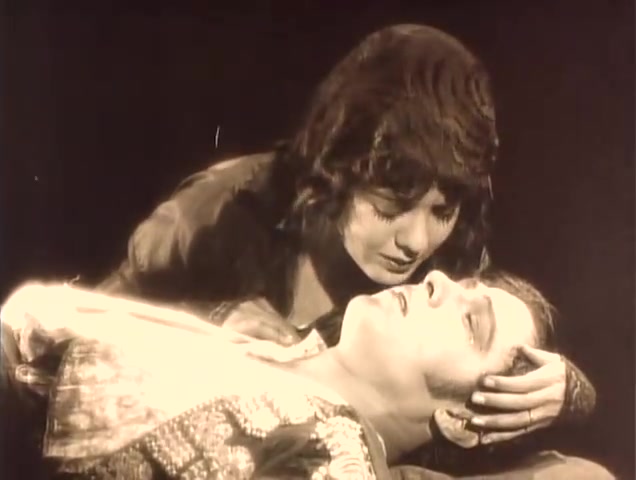
Another bullfighting, Doña Sol was in the audience, Gallardo was distressed and quiet, there was tension in the air. Other bullfighters and even audience members noticed that Gallardo was more reckless than ever. And right in the middle of the audience the village’s bandit was shot, he mentioned Gallardo and passed away immediately. At the same time, Gallardo had a feeling of terror, did not know what to do and lost confidence. He was hit by a bull, fell down and was removed from the arena. Doña Sol did not even notice what was going on amid her own selfishness and superficiality. She was directly told that Gallardo was dying but did not care and did not even care to leave the audience and see Gallardo or comfort his relatives. On the other hand, Carmen was by his side all the time until the end with the devotion that only a virtuous woman could have for her husband.
A priest was called. In Gallardo’s last moments, he ask for Carmen’s forgiveness and they reconciled. Gallardo passed away in a very sad circumstance but at least in peace with his sweet wife Carmen, the only woman he has truly ever loved.
The plot has the expected melodrama with occasional overacting (especially by Valentino and Nita Naldi in their most torrid scenes) and some stereotyped representations of other peoples. However, it remains interesting in the sense that it was critical of bullfighting and the rise and downfall of the main character (Gallardo, played by Valentino) gives him a degree of humanity that does not really age easily. We still can see so often that a poor man’s way up to climb the social ladder is choosing a profession where he will face death and this can have some sad consequences sometimes.
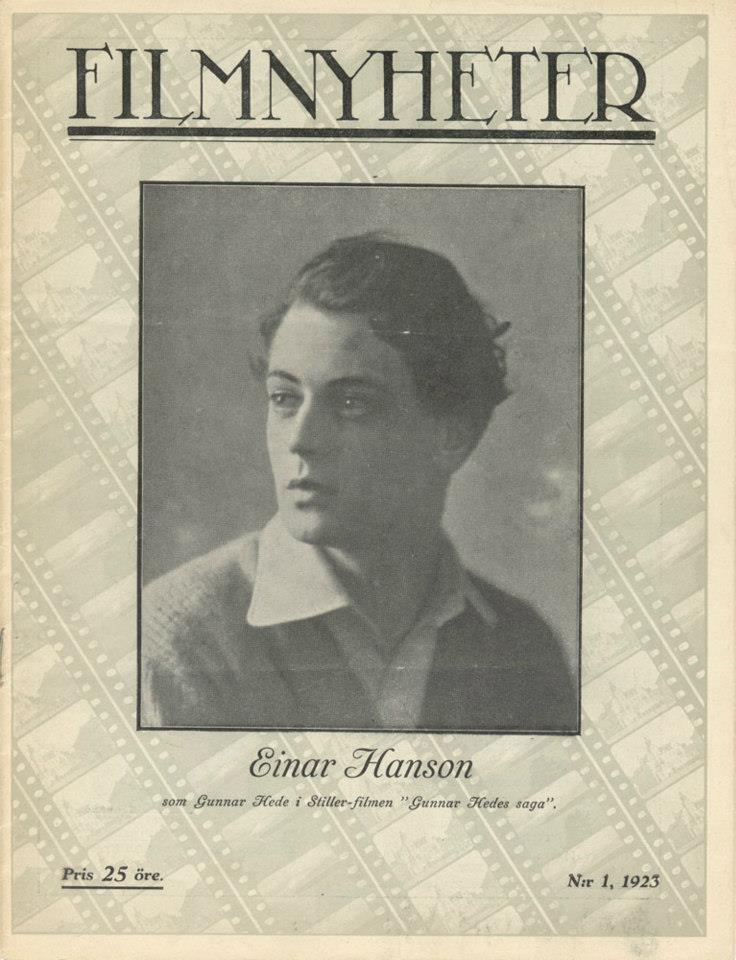
Filmnyheter, A.V Svensk Filmindustri film company journal – Sweden, 1923
Einar Hanson (June 15, 1899; Stockholm, Sweden – June 3, 1927; Santa Monica, California), also known as Einar Hansen, was a Swedish silent film motion-picture actor
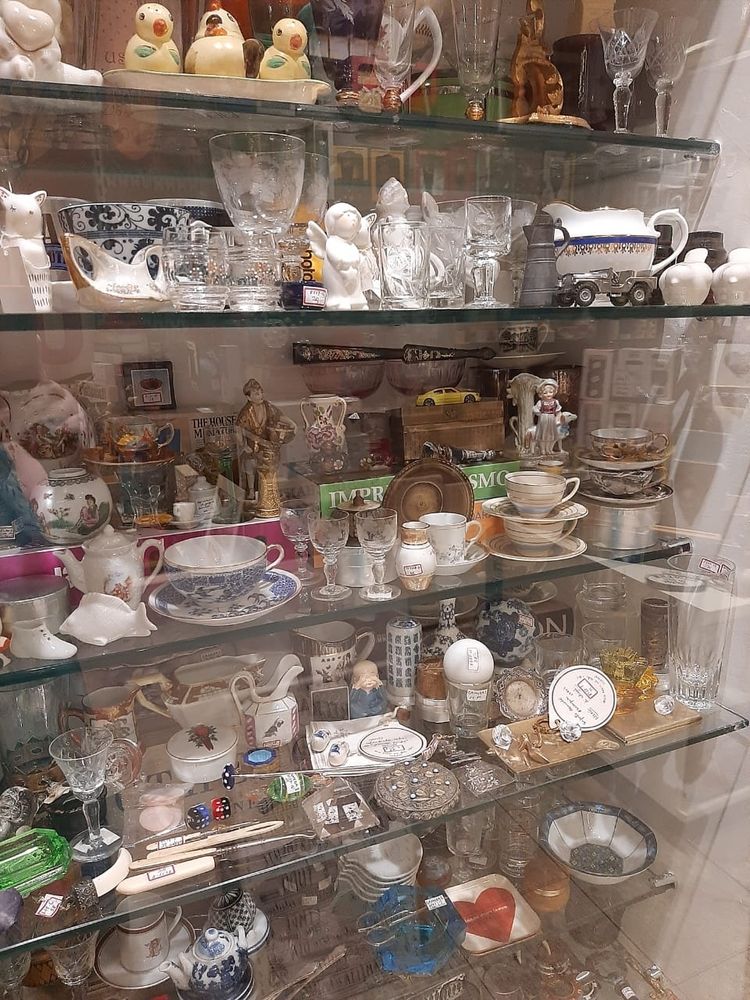
It is such underrated activity to go out, walking only for the sake of it, take a look at some windows, buy stuff. But those apparently simple moments give room to memories of relaxation and even some excellent pictures.
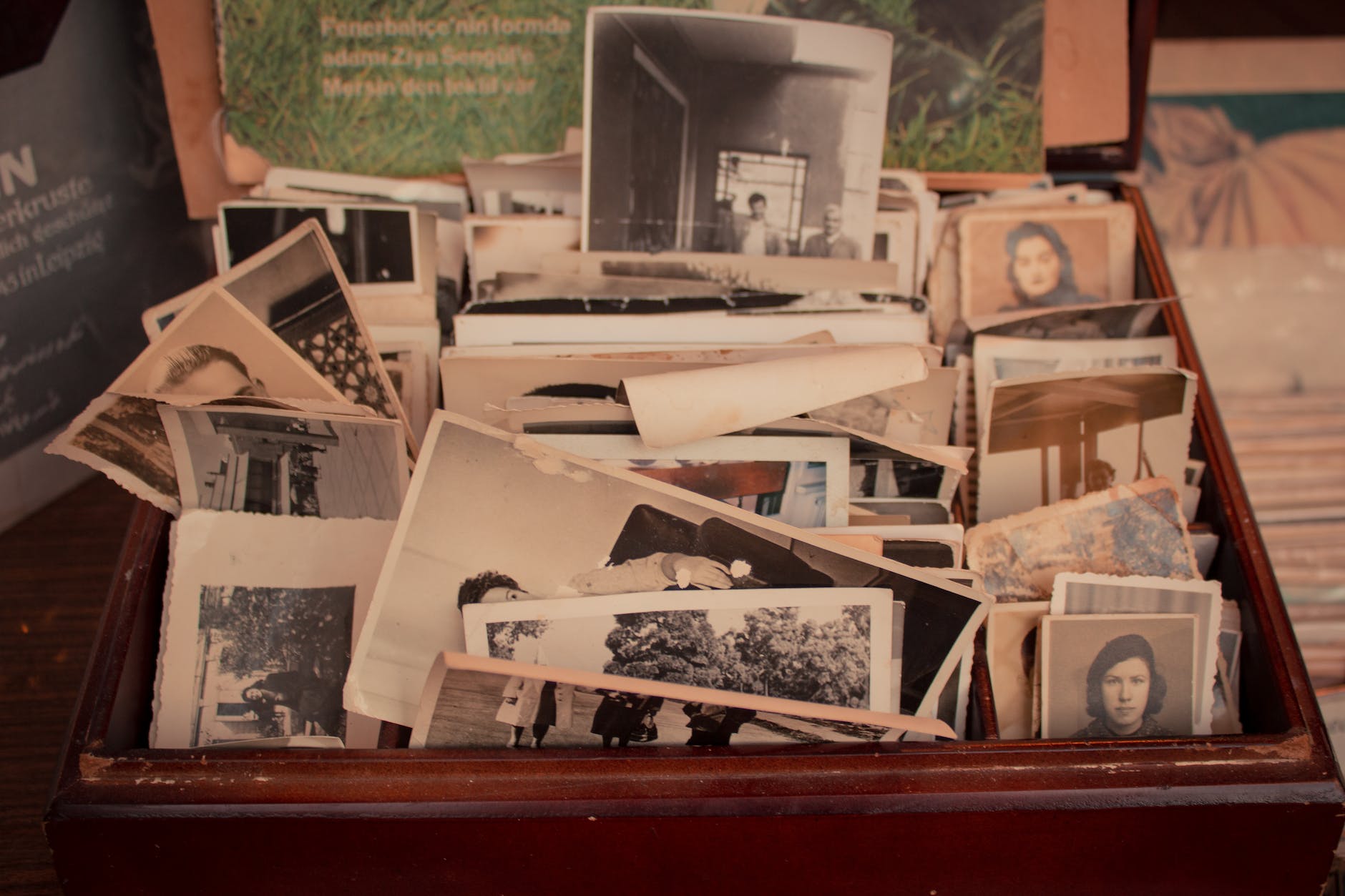
Sometimes, even with the easiness of taking pictures we can forget about the importance of taking pictures of streets and constructions around us. With the fast pace of life nowadays, everything chances so fast that in a time lapse of 10 years our surroundings may look completely different. Therefore, our unpretentious past photos might become a witness of a bygone era. A snapshot of our lives that can be so admired for the post generations.
I also completely believe the power of photography to preserve moments of our lives. Things that are part of routine often pass without we realize their importance and pictures give us a much-needed memory of moments that were taken for granted today, but highly missed tomorrow after life changes. The so-called historical distancing often makes ordinary items being valued especially when they get scarce after a while and tastes chance.
Once upon a time, I decided to take a picture of the façade of a store while window shopping and found myself with a beautiful picture, a memory of an ordinary day, like so many others. A day inside a more extensive context. In my personal life, I often realize that the routine days, usual things we do day after day, those are the memories that stick because this is what we most commonly do. The days of having a snack in the café nearby, spending time with the nature, the talk with friends in the local bakery, that beautiful clothing we bought sometimes are more memorable than the so-called great things.
“Life is what happens when we are busy making other plans”. We never know when we’ll have a problem and things collapse, but the good news is that we never know when we will live, cozy, happy moments around the corner. “It is the little things”. They may be small in size, but great importance and this is why having past moments as a reference is tool for making better decisions in the future and the future is being built now.
Everything and anything can become a memory and in a time when it is so easy to take pictures and make videos, when content creation is so common, there is no doubt that the future generations will have a plenty of things to research about our era. At least this is what I hope and even if internet becomes something totally different and social media ends or shrinks, I assume that the material currently produced will become preserved somehow. Maybe I’m too optimistic, but this is what I want to believe.













 Silent Beauties