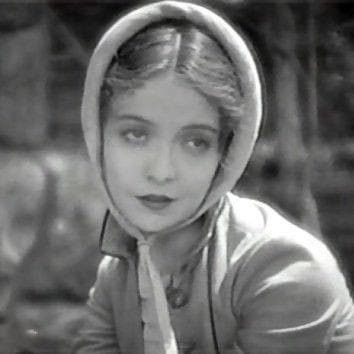
The plot might seem moralist for modern-day audiences at first, but if we consider that, for instance, on the other wise of the world the famous American filmmaker D.W. Griffith was making movies with similar content in Biograph studios at that same time we realize that the plot fit into the morals of the era, irrespective of the country.
This film is infamously known for its “gaucho dance”, which was highly controversial at its time. Take a look at pictures below and try to imagine the effect of this choreography on audiences in 1910.


But there is much more in this film than that. With a beautiful photography, this film is surely part of the so-called Golden Age of Silent Danish Films. Asta Nielsen acts beautifully, as usual. It portrays the story of a respectable music teacher who becomes fallen after a circus comes to her town and she run off with one of circus’ artists. Unfortunately she is not happy with him afterwards. She was dominated by her passions and now has to deal with social and moral consequences of it. This film is rather tame for nowadays’ standards, but it was risqué back then for having shown how a woman of good family and morals became an outcast.
Some stuff worth being observed: We can see many landscapes of Denmark of that time as well as means of transportation, which can offers us some glimpses of their urbanization. Furthermore, there were many outdoor scenes in sunny places. Perhaps to make as much use of sunlight as possible while filming?

 Silent Beauties


Leave a comment